
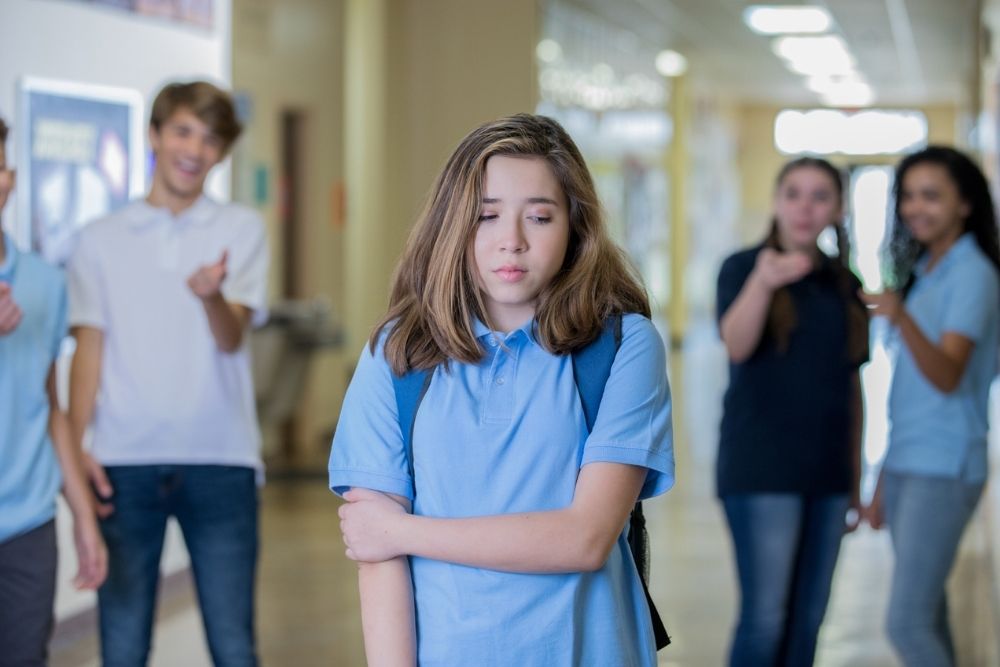
For the teenager of 25 years ago, going to school meant spending time with friends, getting into a few disagreements, and dealing with emotional overload. It was a tough world dealing with stereotypes and competitions over popularity and personality. But it is nothing like it is today.
For many teens in high school, every day is filled with something different. Trauma. Stress. Intense anxiety. All of it is fueled by a constant “on” environment where social media dominates each day with intensity. For many teens, bullying is very real and very much life-threatening.
If your child is struggling with bullying, it’s not going to just “go away,” and they cannot just find new friends. At the same time, as a parent, you may be completely unsure of getting help from school administrators. What can you really do?
Willow Creek Behavioral Health works with teens at all levels to provide authentic, real help in damaging situations. If your teen is at risk of harming themselves or others, come to us right away. Our mental health treatment program in Green Bay takes walk-ins for a professional assessment. If you cannot come to us, call 988 for immediate guidance.
The Reality of Bullying in 2026
Bullying, as defined by the Centers for Disease Control and Prevention, along with the Department of Education, incorporates three elements:
- Some type of unwanted aggressive behavior
- Observed or perceived power imbalance between those involved
- Repetition or a high likelihood of repetition in behaviors
Among students between the ages of 12 and 18, 19.2% are being bullied, or nearly 1 in every 5 students. That’s according to data from the 2021 to 2022 school year.
Bullying does not happen to just one type of person or student. Youth bullies can be anyone of any class, upbringing, race, or religion. There’s no simple definition of how a student is bullied, either.
What Happens When a Student Is Bullied
Most people can say they were bullied at some time in their youth. What’s different today is that it happens in numerous forms constantly. Bullying can result in numerous threats:
- Physical injury to those involved
- Social and emotional distress that follows a child through their life
- Self-harm behaviors
- Suicidal tendencies
- High risk for the development of anxiety and depression
- Lower academic achievement scores
- Dropping out of school
- Heightened risk of engaging in violence
- More likely to use drugs or alcohol
A person’s mental health is very much at risk when bullying occurs. Remember, these are not isolated events, but statements, actions, rumors, threats, and much more that happen in person, in sporting activities, on social media, and even at home.
What Can You Really Do if Your Teen Is Being Bullied?
As a parent, you realize just how devastating bullying can be. You may witness the changes in your child. So, what can you do?
1. Recognize warning signs to take action now.
Bullying is never okay. If you see any of the following warning signs in your child, take action:
- Unexplained injuries
- Withdrawing from activities they enjoyed
- Changes in sleep behaviors
- Declining grades or not wanting to go to school
- Frequent illness
- Significant changes in mental health, including the onset of anxiety and depression
2. Open the lines of communication.
That’s easy to say, but really hard to do, especially with teens who are already working so hard against your involvement in their lives. However, it is necessary to create a record of what’s occurring. That should start with listening to your child and documenting what they say to you.
A component of that is validating their feelings. Don’t tell them to fight back or “deal with it.” Instead, provide resources, including discussions about what bullying is, why it happens, and what they can do in the moment.
3. Notify the school.
Make sure to include teachers and administrators in the conversation every time there’s a concern. Be the squeaky wheel that gets noticed for your child. Contact teachers, counselors, and principals. Come in with the right attitude, with a goal to end the bullying in effective ways.
Know When It’s Time to Get Real Help
When your child’s personality changes or you’re feeling the strain at home, it’s time to talk to professionals. Bullying impacts the mental health of your child, creating new ways of thinking about themselves and behaving. The sooner you provide your child with the tools and resources they need to recognize what is happening, the faster they can get valuable help.
At Willow Creek Behavioral Health, we work with teens who need real help for difficult situations. It’s about creating a plan that addresses their individual needs and rebuilds what was taken from them. Contact us now for immediate help.