
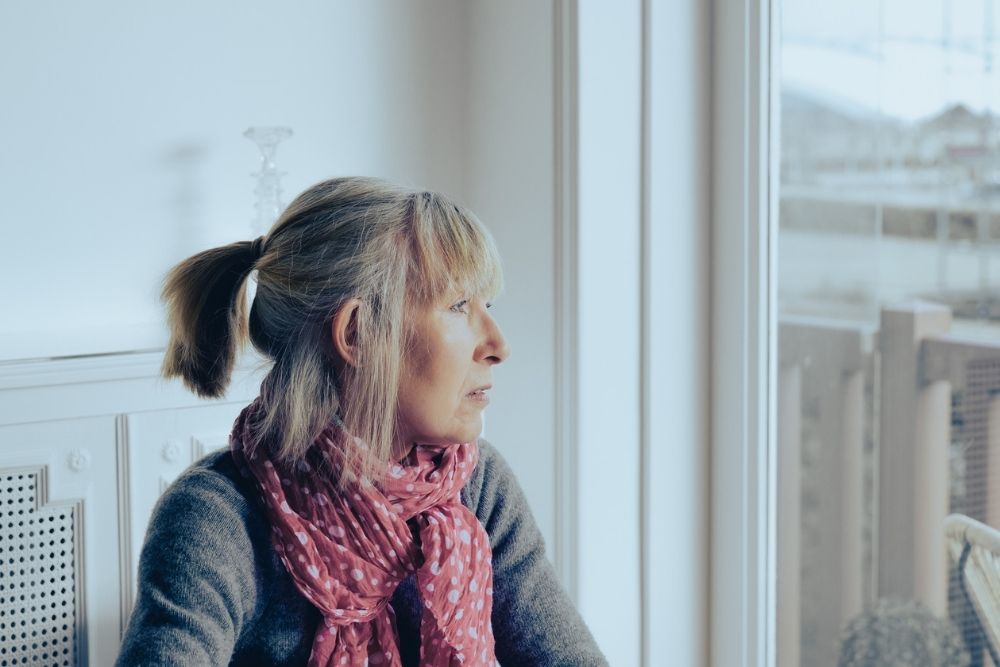
The days are so much shorter. You’re always tired. Mood changes seem to be happening to everyone in your home. Many people have the “winter blues,” especially in areas like Green Bay, where the winters can be long and challenging. There’s a fine line between being stressed at the holidays and being depressed, though.
Seasonal depression is a treatable condition. It’s very different from depression itself, and one does not necessarily lead to the other.
If you are battling depression, or your loved one is, seek compassionate care at Willow Creek Behavioral Health. Our team is here to help you immediately.
What Is Seasonal Affective Disorder?
Officially referred to as seasonal affective disorder, or SAD, it is a condition that begins around late fall or early winter months and tends to fade by spring. The National Institute of Mental Health shares that researchers don’t know what causes SAD to occur in some people and not others. However, some potential causes include:
- A reduction in the level of serotonin in the brain is common. This may happen due to the reduction of sunlight a person experiences in the summer months. That’s due to the shorter daylight hours.
- A reduction in Vitamin D, due to the lack of sunlight, can also contribute to a drop in serotonin levels.
- Overproduction of melatonin may also be a contributing factor. Too much melatonin production increases the need for sleep and can lead to oversleeping.
In many situations, researchers believe SAD is significantly linked to the change in normal daily rhythms. Day length, mood, behavior, and the need to sleep all seem to pile up. That may not sound like a big deal, but there are potential complications that stem from SAD.
Symptoms of SAD
If you’re experiencing symptoms of SAD, talk to your therapist about it. You may find that treatment can be more effective at restoring balance and mental health than you thought. Some of the most common symptoms can include:
- Persistent feelings of being “empty” or just having an anxious or sad mood
- Feelings of guilt or worthlessness
- Feeling hopeless
- Difficulty concentrating and remembering things
- Loss of interest or pleasure in the hobbies that you have long enjoyed
- Changes in the way you feel about people around you
- Feelings of guilt
- Changes in sleep and eating routines
- A loss of energy and feeling the need to slow down
SAD can happen in the winter months, leading to oversleeping, overeating, and social withdrawal. However, some people experience SAD during the summer months. In these individuals, the changes in daily activity levels can lead to a poor appetite, restlessness, agitation, increased anxiety, and difficulty sleeping.
It’s Not About the Holidays
Don’t confuse SAD with winter blues related to the holidays themselves. SAD is about the months rather than the holidays. However, depression during the holidays is a very common factor. It deserves careful attention. If you or a loved one is suffering with signs of depression linked to the holidays, such as being alone or not having the means to make ends meet your goals, seek support.
Working through the challenges the holidays bring, from family strife to substance use risks, is also something our team at Willow Creek can help you navigate.
How SAD Can Be Treated
SAD is treatable through several types of treatment options. Some of the strategies that may help include:
- Light therapy: Light therapy involves sitting in bright light for 30 to 45 minutes at a time. This is done in a light box, which is 20 times brighter than indoor light. It can help to stimulate hormone regulation in those battling SAD due to the limited daylight hours.
- Psychotherapy: Treatment for SAD with talk therapy or counseling can also be effective. It will help you change the way you think and behave to foster a healthier way to navigate change. Cognitive behavioral therapy is a common form of talk therapy that may be effective.
- Medications: For some people, the use of medications like antidepressants may help. It can take several weeks for these medications to begin working. By improving serotonin activity in the brain, these medications can help ease the symptoms you feel.
For those facing serious symptoms, our inpatient care model could be effective for you. Many people benefit from outpatient care. It’s also important to remember that SAD can impact kids, teens, adults, and seniors, and all can access the care they need through our team.
Getting the Help You Need Today
SAD is not something to just live with. Treatment helps you get back to living your best life. At Willow Creek, we offer treatment for a wide range of mental health disorders, empowering individuals to get the results they deserve. Contact us now to learn more.